What it may help with
- A lasting reduction in dark, coarse hair on the face or body
- Ingrown hairs and shaving irritation driven by regrowth after shaving or waxing
- Cutting the time, cost and irritation of a lifelong shave-and-wax routine
Independent treatment guide
Laser and intense pulsed light (IPL) photoepilation
Randomised trials consistently show that lasers reduce dark hair, and the reduction can last — but the honest term is permanent reduction, not removal. Hair colour decides whether it works at all, and skin tone decides which device is safe.
Start here
Laser hair removal works by selective photothermolysis: the pigment (melanin) in a hair absorbs a pulse of light, converts it to heat, and that heat injures the follicle enough to stop or weaken future growth. Because only actively growing hairs are vulnerable and follicles take turns growing, treatment is a spaced course rather than a one-off — and because the target is pigment, the method has almost nothing to grip on grey, white, blonde or red hair.
Careful providers and regulators describe the outcome as long-term or “permanent” hair *reduction*, not removal. Controlled trials report percentage reductions on a measured patch — often substantial, rarely total — and NHS patient information quotes an average reduction of up to two-thirds, with some people getting only a temporary effect. Hormone-driven facial hair reduces least and regrows soonest.
Device choice is a genuine safety decision, not a marketing detail. Shorter wavelengths (alexandrite) suit lighter skin; the longer-wavelength Nd:YAG spares surface pigment and is the usual choice for darker skin types. England currently has no national licensing scheme in force for these treatments — the proposed scheme is not yet law, and local rules vary — so the practical markers of a careful provider are the consultation, the patch test, and a named person to contact if your skin reacts.
One of the better-evidenced treatments in this directory for the right candidate — dark hair, with a device matched to your skin type. Read “permanent” as “long-lasting reduction”, budget for a full course plus occasional maintenance, and treat the patch test as a requirement rather than an upsell.
What it may help with
What it will not do

Know what is being compared
Clinics sell all of these under the same “laser hair removal” banner. They differ in wavelength, energy and who they are safe for — and the differences matter more than the brand names.
Laser — lighter skin types
Strong melanin absorption for fast treatment of dark hair on lighter skin.
Posted some of the largest long-term reductions in controlled trials — up to 84% on suitable candidates in the 2022 systematic review.
The same strong melanin absorption raises burn and pigment-change risk on tanned or darker skin, where it is usually the wrong tool.
Laser — broad use
The workhorse wavelength, balancing follicle penetration with surface safety.
The most consistently supported device against controls in the 2023 network meta-analysis, at both three and six months of follow-up.
No trial shows diode clearly beating the other lasers — a clinic claiming its diode platform is uniquely effective is ahead of the evidence.
Laser — darker skin types
Deeper penetration with the least melanin absorption at the surface, making it the standard choice for Fitzpatrick skin types V–VI.
Long-term reductions of 30–74% in trials — real results, though often needing more sessions, and treatment tends to sting more.
Safer for darker skin does not mean risk-free: operator experience and a patch test still decide the outcome.
Broad-spectrum light, not a laser
Filtered flashlamps used in salons, and much lower-energy versions sold for home use.
Clinic IPL can genuinely reduce hair, though it is less selective than a single-wavelength laser. Home devices run at a fraction of clinic energies — expect maintenance-level results.
Not a like-for-like substitute for a clinic laser, and most home devices are unsuitable for darker skin tones — check the manufacturer’s skin-tone guidance before buying.
Results & trade-offs
NHS patient information quotes an average reduction of up to two-thirds, and notes some people get only a temporary effect. Trials report wide ranges by device and body site. Judge success as “much less hair, growing back finer” rather than a hair-free guarantee.
Only actively growing hairs respond, and follicles take turns. Sessions run weeks apart — commonly four to six for the face, six to eight for the body — and the result should be judged after the course, not after one visit.
In the only systematic review restricted to full growth-cycle follow-up, legs held the strongest reductions and faces the weakest. Hormone-influenced facial hair is the most likely to need maintenance sessions.
Tanned skin — including fake tan — should not be treated, and plucking or waxing must stop for weeks before a course because the laser needs the hair in its follicle. Shaving between sessions is fine. A clinic relaxed about any of this is a warning sign.
Research in context
Randomised trials consistently show meaningful hair reduction from alexandrite, diode and Nd:YAG lasers, with no laser type clearly beating another. Long-term data are thinner: one systematic review found only five trials that followed people for a full hair-growth cycle.
Trials measure percentage hair reduction on a chosen site, usually at three to six months — only a handful follow a full hair-growth cycle. A percentage from one device, body site and skin type does not transfer to another, and no laser type has clearly beaten the others in head-to-head synthesis.
Safety
“Non-surgical” does not mean risk-free. The exact device or product, treatment area, practitioner and your health all change the risk.
If you feel seriously unwell or have trouble breathing, seek urgent medical help. This page cannot assess an individual complication.
Suitability
The treatment journey
The practitioner should assess your hair colour, skin type and medical history, name the device and wavelength they intend to use, and patch-test a small area — NHS practice runs the test patch about six weeks before the first full treatment.
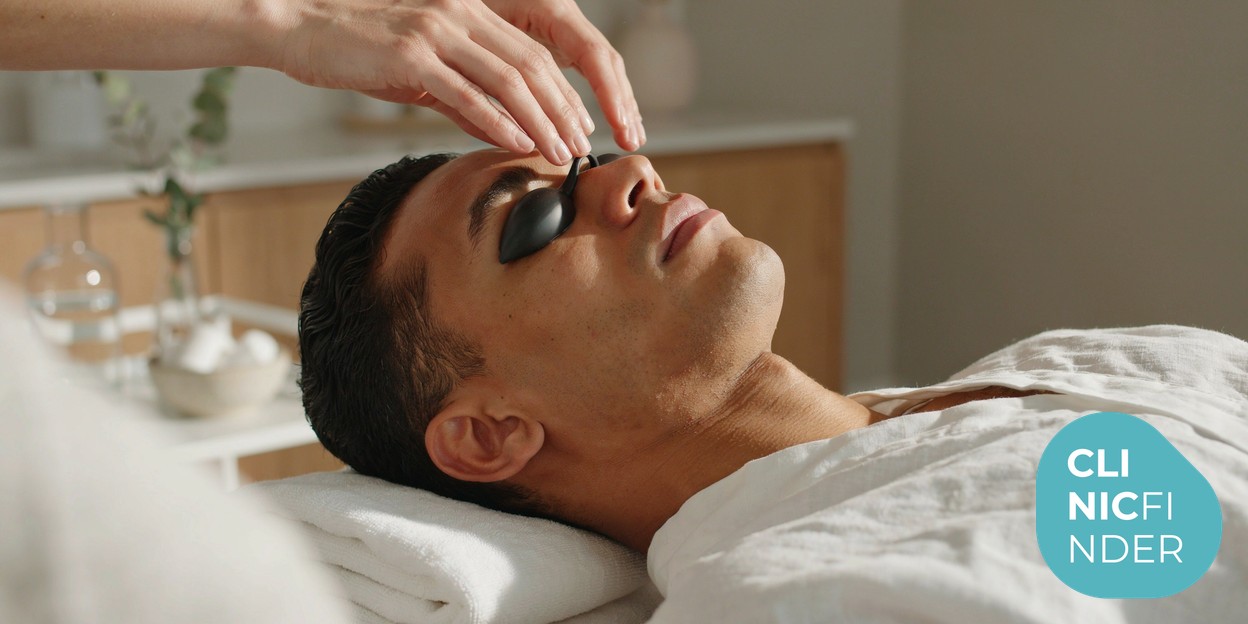
The area is shaved, everyone in the room wears opaque eye protection, and the applicator delivers cooled pulses across the skin. A small area takes minutes; legs or a back can take an hour.
Sessions repeat every four to eight weeks to catch each batch of follicles entering growth. Between sessions: shave rather than pluck or wax, avoid sun and fake tan, and use high-SPF protection on treated areas.
Judge the result some weeks after the final session against photographs, not memory. Occasional maintenance sessions are common, and any pigment change or unexpected regrowth pattern should go back to the practitioner.

Compare your options
The only method conventionally described as permanent hair removal, and it works on any hair colour — but it treats one follicle at a time, so it is slow and better suited to small areas.
Cheap and procedure-risk-free on any hair colour, but lifelong — and waxing or plucking must stop before and during a laser course.
Far lower energy than clinic systems: some genuine reduction, mostly maintenance-level, and unsuitable for darker skin tones without device-specific guidance.
A valid choice. Unwanted hair is cosmetic, and treating hormone-driven hair without assessing the cause often disappoints.
Take this to your consultation
Which exact device and wavelength will you use on me, and why is it right for my skin type and hair colour?
Will you patch-test first, and how long before the first full session?
How many sessions does the quoted price include, and what will maintenance sessions cost afterwards?
What reduction is realistic for my hair colour, skin type and this body area?
Who performs the treatment, what training do they have, and who do I contact if my skin reacts badly?
What are your rules on sun exposure, fake tan and waxing before and between sessions?
What happens if I develop pigment changes or increased hair growth in the treated area?
Source library
We link to guidance and papers so you can check the evidence yourself. A source appearing here does not mean every claim or conclusion in it is beyond debate.
Leeds Teaching Hospitals NHS Trust
NHS patient information: a test patch about six weeks before treatment, an average reduction of up to two-thirds, no treatment on tanned skin, and rare reports of increased hair growth.
NHS
The NHS checklist for any cosmetic procedure: a reputable, insured practitioner, the full cost including aftercare, and the reminder that you can walk away.
Journal of Cosmetic and Laser Therapy / PubMed
Pools 13 randomised trials (652 participants): diode showed significant reduction against controls at three and six months, no laser type clearly beat another, and reported side effects were transient.
Journal of Cosmetic and Laser Therapy
Found only five randomised trials (223 patients) that followed people for a full hair-growth cycle: long-term reduction ranged roughly 30–84% by device, strongest on legs and weakest on the face.
Journal of the European Academy of Dermatology and Venereology / PubMed
The foundational review (9 randomised and 21 controlled trials): best evidence for alexandrite and diode lasers, with little evidence then available beyond six months of follow-up.
StatPearls / NCBI Bookshelf
Peer-reviewed clinical reference on mechanism, wavelength choice by skin type, and complications including burns, pigment change and paradoxical hypertrichosis.
Common questions
The honest term is permanent hair reduction. A full course can disable a large share of treated follicles, and NHS information quotes an average reduction of up to two-thirds — but hormones, ageing and dormant follicles mean some regrowth is common, and some people get only a temporary effect. Electrolysis, not laser, is the method conventionally described as permanent removal.
Usually a course of around six or more, spaced four to eight weeks apart, because the light only affects hairs in their active growth phase and follicles take turns. The number depends on the area, your hair and skin type — a careful clinic estimates it at consultation rather than promising a fixed figure.
Yes, with the right device. Longer-wavelength lasers — usually Nd:YAG — deposit less energy in the skin’s surface pigment, which is what makes treatment of darker skin types practical. The burn and pigment-change complications in the literature cluster around the wrong wavelength or settings, so an experienced practitioner and a patch test matter most here.
Generally no. The light targets melanin, and these hair colours carry little or none, so there is almost nothing to absorb the energy. A clinic that sells a full course for light hair is selling against the evidence — electrolysis is the established option for hair a laser cannot see.
A laser emits one wavelength chosen for the job; IPL is a filtered broad-spectrum flash. Both can reduce hair, but a single wavelength is more selective, and clinic devices of either kind run at far higher energies than home-use machines. If a price seems too good, ask which of the four device classes is actually being used.
Because the unit varies: single sessions versus courses, small areas versus large, and “from” prices that usually belong to the smallest area — sometimes just a patch test. Compare the total cost of a full course for your specific area, including any maintenance sessions, rather than headline from-prices.
Clinic directory
Directory information is separate from our editorial assessment. Inclusion is not a medical endorsement.
416 clinics